How Does Windshield Tint Work?
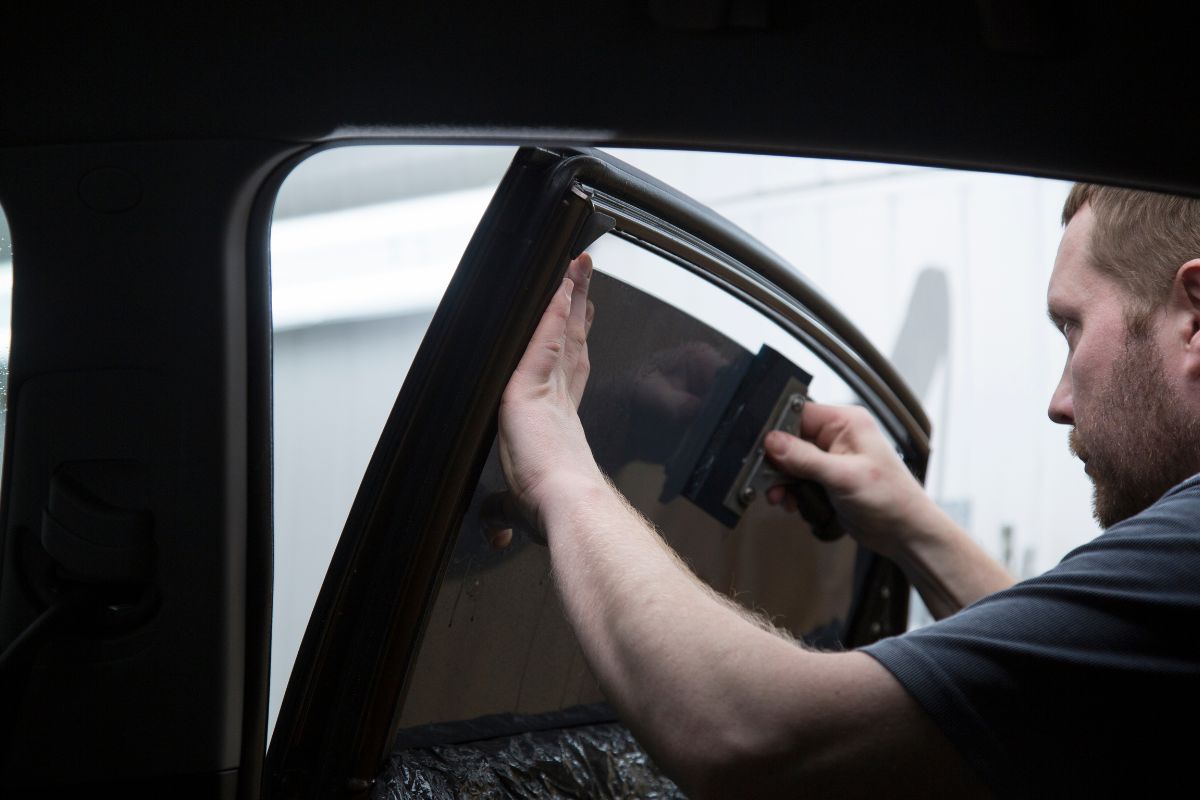
Aftermarket windshield tint is usually a thin film attached to the interior surface of the glass. Different films are designed to change how much visible light, ultraviolet radiation, and heat pass through the windshield.
Federal Motor Vehicle Safety Standard No. 205 establishes performance requirements for glazing materials used in motor vehicles. These requirements address factors such as light transmission, impact performance, and driver visibility. Source: 49 CFR § 571.205, Standard No. 205, Glazing Materials.
Federal regulations generally require glazing in areas necessary for driving visibility to provide at least 70 percent light transmittance when the vehicle or glazing is originally manufactured. Source: National Highway Traffic Safety Administration, Interpretation 17440.drn.
The 70 percent federal standard primarily regulates vehicle manufacturers, glazing manufacturers, and certain businesses modifying vehicles before their first retail sale. State law can separately regulate how vehicle owners use aftermarket tint after the vehicle has been sold. Source: National Highway Traffic Safety Administration, FMVSS No. 205 interpretations.
Are Tinted Windshields Legal in Wisconsin?
The most important thing to know about tinted windshields legal Wisconsin requirements is that Wisconsin does not generally allow tint film across the main windshield viewing area.
Wisconsin permits windshields that were tinted by the glazing manufacturer and installed as part of the original manufacturing process. Source: Wisconsin Administrative Code § Trans 305.34(6)(b).
Aftermarket tint film may be attached only above the horizontal line marked “A,” “A-1,” or “AS-1” by the windshield manufacturer. The film must be installed inside the vehicle and may not extend below that manufacturer marking.
If the windshield manufacturer did not place an “A,” “A-1,” or “AS-1” mark on the glass, Wisconsin regulations state that no window tinting film may be attached to the windshield.
This means that a full windshield tint film, including a very light or nearly transparent film, may still violate Wisconsin regulations when it extends below the permitted manufacturer line. Source: Wisconsin Administrative Code § Trans 305.34(6)(c)
What Is the AS-1 Line?
The AS-1 line is a marking placed near the upper portion of some windshields. It identifies the boundary associated with the windshield’s upper shade-band area.
Wisconsin specifically uses an “A,” “A-1,” or “AS-1” manufacturer marking to determine how far down an aftermarket windshield tint strip may extend.
Drivers should not assume that a certain number of inches from the roof is automatically legal. The Wisconsin rule refers to the manufacturer’s marking rather than providing one universal measurement for every vehicle.
Because windshield shape and AS-1 markings vary by manufacturer, the permitted shade-band depth may look different from one vehicle to another.
Source: Wisconsin Administrative Code § Trans 305.34(6)(c)
Factory-Tinted Glass Versus Aftermarket Film
Factory-tinted glass is manufactured with tinting characteristics built into the glazing. Aftermarket tint is a separate film applied after the windshield has been produced.
Wisconsin allows windshields tinted by the glazing manufacturer when they were installed as part of the vehicle’s original manufacturing process. Source: Wisconsin Administrative Code § Trans 305.34(6)(b).
By contrast, aftermarket film is limited to the area above the manufacturer’s A, A-1, or AS-1 line. Source: Wisconsin Administrative Code § Trans 305.34(6)(c).
A factory shade band at the top of the windshield should not be confused with a removable film installed by a tint shop. Although they may look similar, they are treated differently under Wisconsin’s vehicle equipment rules.
Why Is Windshield Tint More Restricted Than Side-Window Tint?
The windshield provides the driver’s primary forward view. Wisconsin regulations therefore restrict signs, posters, tint, and other materials that may obstruct visibility through the windshield. Source: Wisconsin Administrative Code § Trans 305.34(6).
Federal glazing standards also require areas necessary for driving visibility to meet light-transmission requirements. NHTSA has explained that the purpose of these requirements is to preserve adequate visibility and reduce crash risk. Source: National Highway Traffic Safety Administration, Interpretation 2743y.
Tint that appears acceptable during bright daylight can make pedestrians, road markings, animals, and other vehicles harder to see at night or during poor weather. For that reason, windshield tint receives more scrutiny than tint applied behind the driver.
Can You Tint the Entire Windshield With Clear Ceramic Film?
Clear or lightly shaded ceramic film is often marketed for heat rejection, but the product’s appearance does not override Wisconsin’s placement restriction.
Wisconsin’s regulation limits where tinting film may be attached to the windshield. It does not create a general exception for ceramic, infrared-rejecting, or nearly transparent aftermarket films installed below the AS-1 line. Source: Wisconsin Administrative Code § Trans 305.34(6)(c).
Therefore, drivers researching tinted windshields legal in Wisconsin should not rely only on a tint shop’s visible light transmission percentage. Both the film’s placement and the applicable state rule matter.
Before approving a full-windshield film, ask the installer to identify the exact Wisconsin regulation supporting the installation.
What Happens to Tint During Windshield Replacement?
When a windshield is removed, film attached to that windshield is removed with the glass. It cannot normally be transferred intact to the replacement windshield.
The new windshield should be installed before any permitted aftermarket shade band is applied. This prevents tint material from interfering with the glass installation process and allows the installer to confirm the location of the replacement windshield’s AS-1 marking.
Affordable Auto Glass Wisconsin offers mobile Windshield Replacement for damaged, cracked, or shattered windshields. After replacement, vehicle owners should make sure any new tint complies with Wisconsin requirements before installation.
Windshield Tint, Cameras, and ADAS
Many newer vehicles have cameras mounted behind the upper portion of the windshield. These cameras may support features such as lane departure warnings, forward collision alerts, automatic emergency braking, and traffic-sign recognition.
Film, stickers, contamination, or improperly positioned glass can obstruct the camera’s field of view. Tint should never cover a camera opening or sensor area unless the vehicle manufacturer specifically allows it.
A windshield replacement may also require ADAS Calibration when a forward-facing camera is removed, disturbed, or viewed through newly installed glass. Calibration requirements vary by vehicle manufacturer and system design.
Drivers should follow the vehicle manufacturer’s procedures and confirm that camera-based features are operating correctly after the windshield is replaced.
Can Illegal Windshield Tint Lead to a Traffic Stop?
A vehicle may be stopped or cited when its windshield does not comply with Wisconsin equipment requirements. Wisconsin law authorizes enforcement of vehicle-equipment standards, including restrictions involving windshields and obstructed driver visibility. Source: Wisconsin Administrative Code Chapter Trans 305 and Wisconsin Department of Transportation enforcement guidance.
Enforcement may depend on the film’s location, the windshield markings, visibility, and the circumstances observed by the officer.
Removing noncompliant film may be necessary before the vehicle can pass an inspection or avoid future enforcement.
Do Wisconsin Windshield Tint Rules Apply to Commercial Vehicles?
Commercial motor vehicles are also subject to federal windshield and glazing requirements. Federal rules restrict signs and other materials in the windshield area and require glazing to comply with FMVSS No. 205. Source: 49 CFR § 393.60.
Commercial drivers should consider both Wisconsin vehicle-equipment rules and applicable federal motor carrier regulations before adding windshield tint.
Fleet owners should also review company policies, insurance requirements, and interstate operating rules because commercial vehicles may travel through states with different tint restrictions.
Choosing the Right Replacement Windshield
A replacement windshield should match the vehicle’s required specifications, including the correct size, shape, mounting provisions, camera brackets, sensors, antennas, and factory shade band when applicable.
Federal Motor Vehicle Safety Standard No. 205 establishes glazing requirements for motor vehicles and replacement glazing equipment. Source: 49 CFR § 571.205.
For modern vehicles, the correct replacement may also need features such as acoustic glass, solar coating, rain-sensor areas, a heads-up display layer, or an ADAS camera bracket.
Affordable Auto Glass Wisconsin provides Auto Glass Services for passenger vehicles, commercial fleets, classic cars, RVs, trucks, and heavy equipment. Our technicians can help identify the appropriate glass configuration based on the vehicle and available replacement options.
Professional Auto Glass Service Across Southeastern Wisconsin
Understanding tinted windshields legal in Wisconsin requirements can help drivers avoid installing film that creates visibility concerns or violates state regulations.
Affordable Auto Glass Wisconsin is based in Nashotah and provides mobile service in Brookfield, Wauwatosa, Muskego, Oconomowoc, Washington County, and nearby communities. Services include Auto Glass Chip Repair, windshield replacement, side-window glass, back glass, and ADAS calibration.
For legal advice or confirmation that a specific tint product complies with Wisconsin law, contact the Wisconsin Department of Transportation, local law enforcement, or a qualified Wisconsin attorney.